Strategies for Managing Transportation Needs for Large Parties
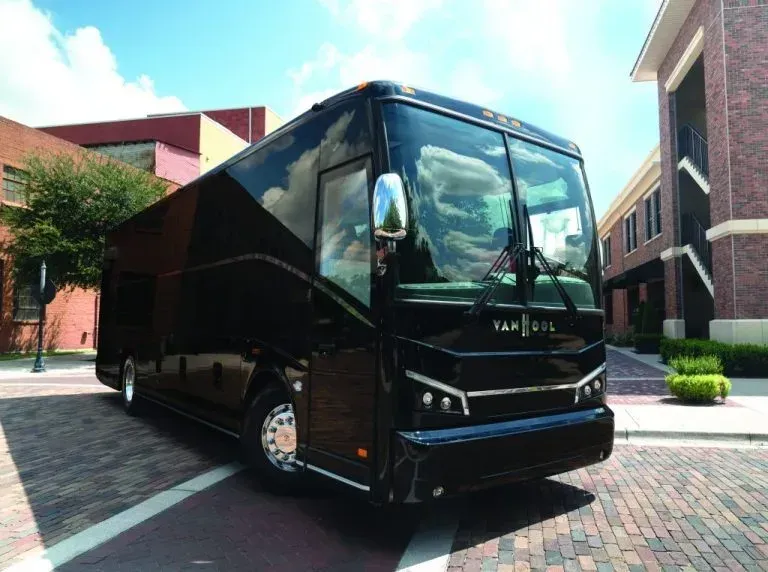
Arranging transportation for a large group can quickly grow into a complex assignment when multiple schedules, pickup logistics, and travel expectations come into play. Whether the occasion involves corporate gatherings, family celebrations, group outings, or special events, ensuring everyone arrives together and on time requires thoughtful planning. An effective transportation plan helps prevent misunderstandings, limits delays, and contributes to a smoother experience for everyone involved. By understanding the key elements of group transportation coordination, organizers can create a seamless travel experience from beginning to end.
When groups travel as one, transportation becomes much more than a means of getting passengers from one point to another. It contributes meaningfully to the success of the overall experience. Careful organization helps preserve timelines, strengthen participant communication, and improve overall travel comfort. At A1 Quality Express Limousine, we know that well-planned transportation solutions help groups enjoy a confident and hassle-free travel experience.
Start Planning Transportation Well in Advance
Well-organized group transportation begins through early planning. Leaving transportation planning too late may restrict options and complicate efforts to address specific group needs. Coordinators should initially determine the number of travelers, key travel dates, departure estimates, and destination expectations. Gathering this information early creates a solid foundation for making transportation arrangements that support the event's overall schedule.
Planning ahead also provides opportunities to recognize potential issues before they escalate. Event schedules, transportation logistics, accessibility considerations, and roadway conditions all play a role in shaping transportation plans. Considering these details beforehand enables planners to design transportation strategies that improve efficiency. Comprehensive planning frequently leads to more seamless travel experiences and fewer surprises.
Assess the Number and Needs of Participants
A critical transportation planning task is evaluating the number of participants and their specific requirements. Accurate traveler counts assist in matching transportation resources to group requirements effectively. Organizers should confirm attendance numbers as early as possible and continue updating those figures as plans evolve.
Passenger counts are important, but personal requirements within the group should also be considered. Some group members may have additional baggage needs, while others may benefit from specific accommodations or assistance. Identifying these needs enables organizers to customize transportation solutions effectively. Obtaining comprehensive details helps planners deliver greater comfort and efficiency throughout the trip.
Develop a Comprehensive Transportation Schedule
A well-defined transportation schedule functions as a guide for the whole group. Organizers should clearly list departure times, pickup locations, journey durations, arrival objectives, and planned route stops. Having a detailed schedule minimizes uncertainty and helps everyone understand where they need to be and when. Clear communication and consistent scheduling are essential for managing large groups effectively.
Effective communication greatly contributes to schedule reliability. Each participant should be informed of transportation details ahead of time. Sharing travel details through various platforms helps keep everyone aligned. When passengers understand expectations, operations typically run without disruption.
Set Up Central Pickup and Drop-Off Points
Handling several pickup points can add unnecessary complications to large-group travel. Whenever feasible, planners should designate central pickup and drop-off locations that are convenient for everyone. Centralizing locations helps speed up boarding and minimizes delays caused by frequent stops. It also enhances communication and increases overall operational efficiency.
Centralized locations provide additional benefits by making it easier to account for all travelers before departure. Team leaders can confirm group members, distribute information, and handle inquiries before departure. An organized system helps ensure readiness and schedule adherence. Clear gathering points play a major role in creating smooth travel experiences.
Maintain Strong Communication Throughout Coordination
Good communication is one of the key components of coordinated group travel. All group members should receive ongoing updates about schedules and changes. Reliable information ensures passengers can prepare without uncertainty. Effective communication enhances efficiency and improves passenger experience.
Planners should create stable communication channels for ongoing updates. Communication tools such as messaging systems and emails ensure timely information sharing. Communication consistently serves as the unifying factor in organized transportation. Frequent updates improve reassurance and reduce potential issues.
Anticipate Unforeseen Situations
Carefully structured transportation plans can still be affected by unexpected events. Weather conditions, traffic congestion, schedule adjustments, and participant delays may require quick decision-making. Flexibility within planning improves the ability to handle sudden changes. Proper preparation helps maintain stability despite evolving circumstances.
Preparedness plans should incorporate communication backups and alternative arrangements. Established procedures help minimize stress and ensure structured responses to challenges. Proactive strategies help maintain efficiency during necessary adjustments.
Focus on Passenger Comfort and Convenience
Passenger comfort is essential to a positive transportation convention transportation experience. Large groups often spend extended periods traveling together, making convenience and comfort important considerations. Proper seating arrangements and organized boarding improve the overall journey atmosphere. A comfortable journey helps travelers arrive refreshed and ready.
Convenience also plays a key role in effective transportation planning. Easy boarding systems, clear directions, and efficient scheduling reduce complications. Well-structured transportation lets passengers enjoy the occasion without concern. Comfortable and convenient travel contributes to a more successful occasion.
Collaborate with Experienced Transport Providers
Group transportation involves multiple moving components, making professional assistance highly valuable. Experienced transportation providers understand how to manage schedules, coordinate passenger movements, and maintain efficient operations throughout the journey. Their skills assist in managing logistics while keeping operations organized.
Professional providers contribute valuable knowledge that strengthens organization. Their understanding of group transport enables them to predict challenges and provide solutions. Professional assistance enables organizers to focus on the occasion while transport is handled efficiently.
Treat Transportation as Part of the Overall Experience
Group travel should be treated as part of the event experience rather than basic transit. Well-coordinated transportation creates opportunities for participants to relax, connect, and begin enjoying the occasion before arriving at the destination. When transportation is organized effectively, it contributes positively to the overall experience and helps establish a professional and welcoming atmosphere.
At A1 Quality Express Limousine, we understand that successful transportation relies on planning, communication, and customer care. Managing group transportation becomes easier when effective strategies are used. By focusing on organization, preparation, and traveler comfort, groups can enjoy a seamless journey that supports the success of any occasion. We take pride in offering transportation solutions that support confident and stress-free travel.